
International Students
Practical guidance for your journey to Ottawa, Ontario, Canada and Cannoga College.
Purpose of This Guide
This section provides international degree and exchange students with practical guidance on what to do after admission and after arrival in Ottawa, Ontario, Canada. It covers study permits, housing, transportation, health coverage, and settling into your new community.
Why Study in Ottawa, Ontario, Canada?
Ottawa is Canada's capital — a bilingual, safe, and cosmopolitan city that consistently ranks among the best places in the world to live and study. With a thriving tech sector, world-class research institutions, and a welcoming multicultural community, Ottawa offers international students an unparalleled experience.
The Canadian education system is internationally recognized for its high quality, student-centered approach, and strong focus on research and innovation.
Cannoga College is a private career college operating in the heart of Ottawa with strong ties to healthcare, industry, and regional employers.
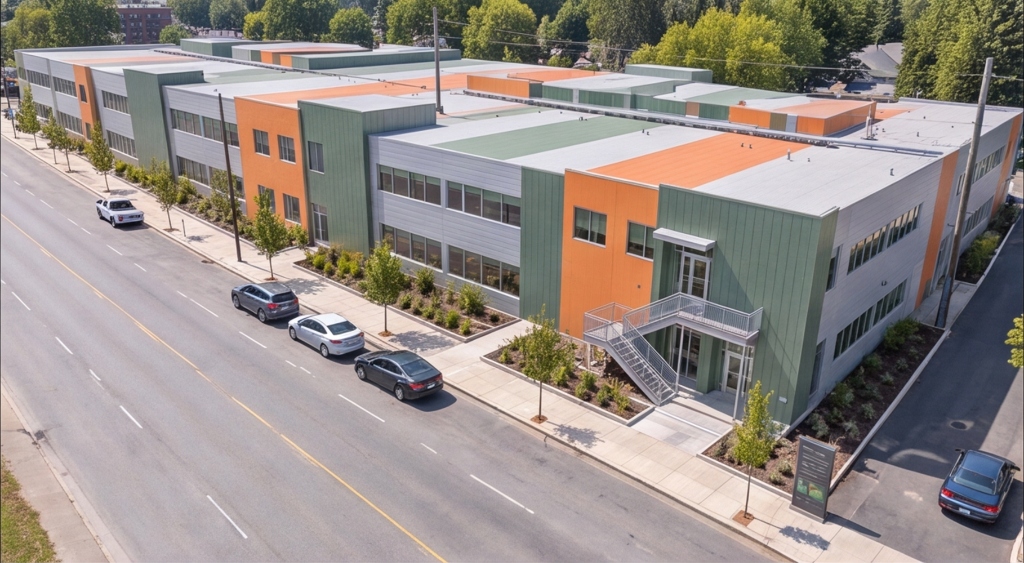
“The mix of innovation, nature, and culture in Ottawa is something special. I felt welcome from day one — the city and college community really made this an amazing experience.”
Practical Things to Do After Admission
Study Permit & Financial Support
Apply for your Canadian study permit through IRCC as soon as you receive your Letter of Acceptance (LOA) and Provincial Attestation Letter (PAL). Starting September 1, 2026, a single international study permit applicant outside Quebec must demonstrate CAD $23,448 for one year of living expenses (plus first-year tuition and travel costs).
Housing
Arrange accommodation before arrival. Ottawa student housing providers and private rentals should be booked early, especially for August/September intake.
Housing Guide →Health Insurance
All residents in Canada are entitled to public healthcare through provincial health insurance (OHIP in Ontario). International students may need private insurance for the first 3 months until eligible for provincial coverage. Cannoga partners with local clinics for walk-in care.
OHIP InfoTuition & Scholarships
International tuition fees apply. Check our merit scholarship opportunities — awards of up to 50% tuition waiver are available.
Tuition Info →After Moving to Ottawa
Getting Around
Ottawa's public transport is operated by OC Transpo, offering bus, light rail, and paratransit services. Students qualify for discounted fares with a valid student card.
Registering with Authorities
All international students must register their address with ServiceOntario after arrival.
Canadian citizens and permanent residents must carry valid identification; international students apply for a study permit through IRCC.
Open a Canadian bank account early — RBC, TD, Scotiabank, and others offer student accounts with low fees.
Post-Arrival Checklist
- 1Collect keys and move into your accommodation
- 2Register at college and activate your Cannoga student card
- 3Register your address with ServiceOntario
- 4Apply for a study permit through IRCC (if applicable)
- 5Get your PRESTO card for public transit discounts
- 6Open a Canadian bank account
- 7Attend mandatory orientation week
- 8Join the Cannoga student community platform
Living in Ottawa

Support Services
Peer Advice
Connect with current international students for practical tips on student life, housing, and finding your feet in Ottawa.
International Student Office
Guidance on study permits, enrollment, academic procedures, and immigration compliance throughout your studies.
Career & Settlement
Dedicated career support to help you plan your professional future and integrate into Ottawa's vibrant job market.
After Graduation
After graduating as an international student at Cannoga College in Ontario, you can apply for a Post-Graduation Work Permit (PGWP) to live, find a job, and gain valuable work experience in Canada.
Post-Graduation Work Permit (PGWP)
Cannoga College students can obtain a post-graduation work permit if they have continuously studied full-time in Canada and have completed an eligible program (such as an Advanced Diploma, Bachelor’s Degree, or qualifying credential).
What it is: An open work permit that allows you to work for almost any employer in Canada without needing a job offer beforehand.
Duration: Valid for 8 months up to 3 years, depending on the length of your study program. Programs of 2 years or longer generally qualify for a full 3-year work permit.
Deadline: You must apply within 180 days of receiving your final transcript and an official completion letter confirming your graduation.
Working while waiting: If you apply before your study permit expires, you can work full-time in Canada while waiting for a decision on your PGWP.
Please visit International Student Services or the IRCC Website for more information.
Gain Canadian Work Experience
Working on a PGWP allows you to build a professional network and earn Canadian work experience. This work experience is essential if you want to apply to stay in Canada permanently.
Permanent Residency (PR)
Some students choose to apply for permanent residency (PR) so they can remain in Canada permanently as immigrants. Refer to the following resources as a starting point:
Official Government of Canada guide for economic immigration, qualification tools, and requirements.
After completing at least 1 year of skilled work experience in Canada, you can apply through Express Entry where Canadian education gives higher ranking points.
Ontario has specific streams under the Ontario Immigrant Nominee Program for international students with job offers, Advanced Diplomas, or in-demand skills.
Immigration Advising: We regularly offer immigration workshops each semester to guide students on work permits and pathways to permanent residency.
Student Resource Hub
Access additional campus services, health support, careers, and student policies.
Updated: June 2026 | Cannoga College International Student Services